SIDEWAYS DUPLEX CANCELLATIONS OF ENGLAND AND WALES


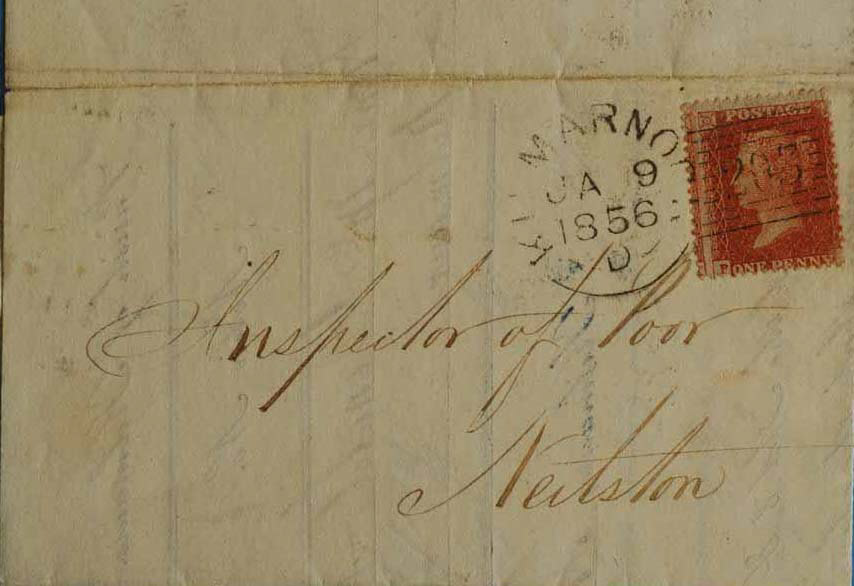
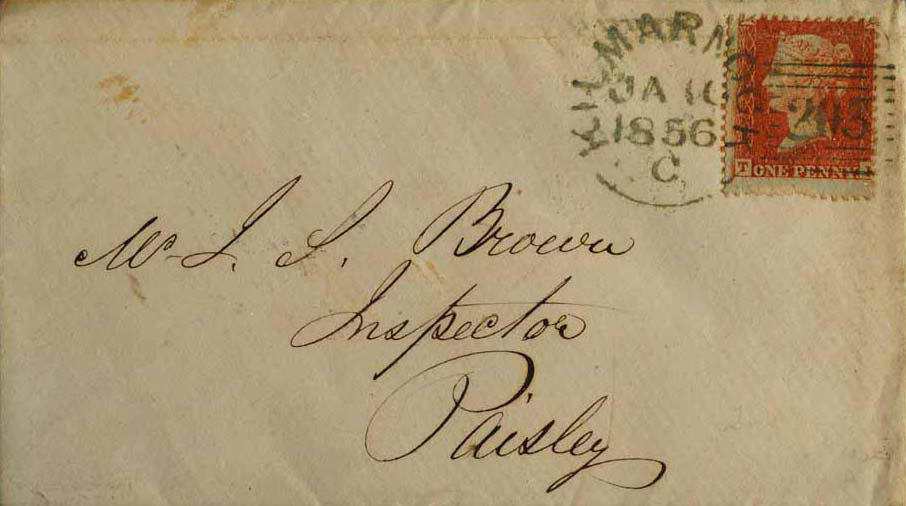
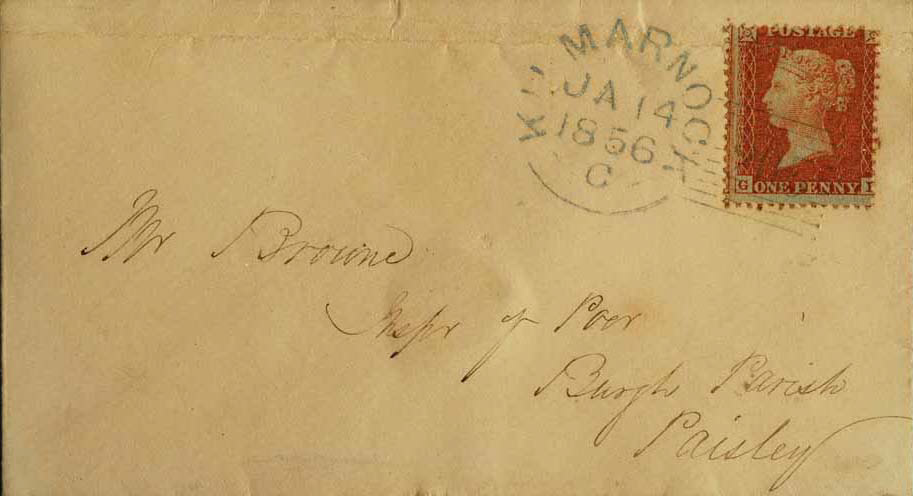
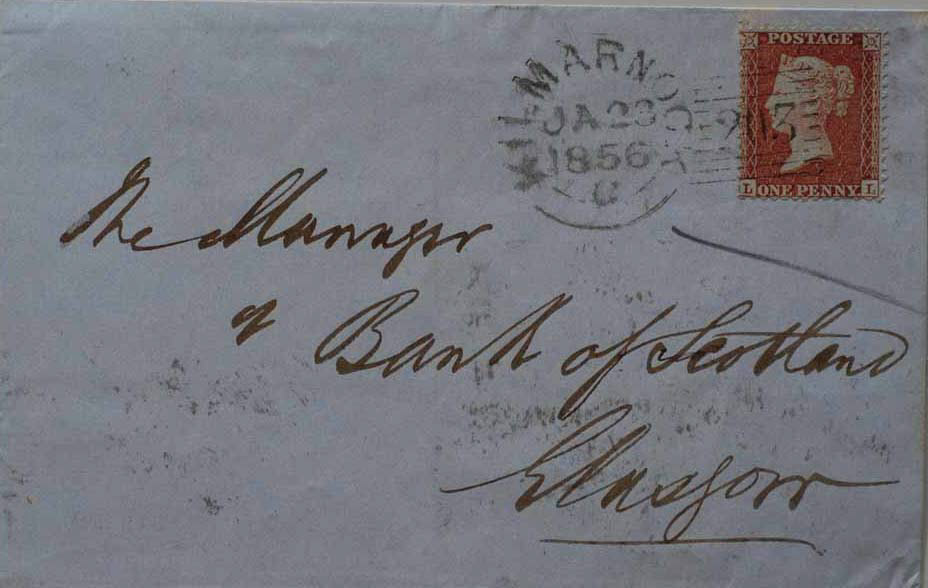
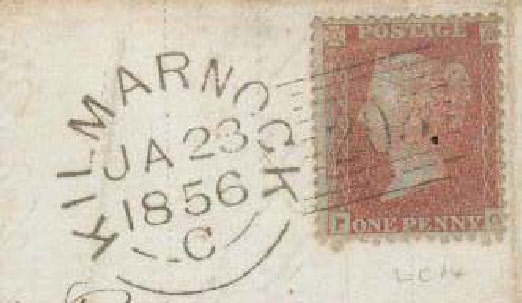
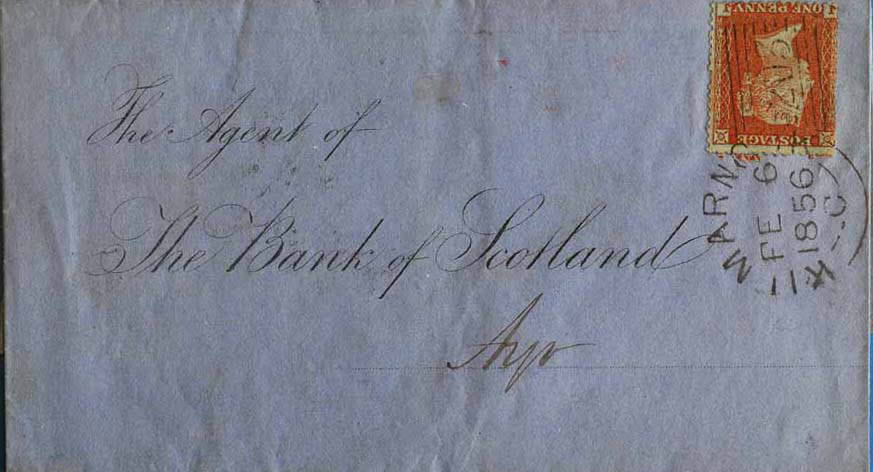
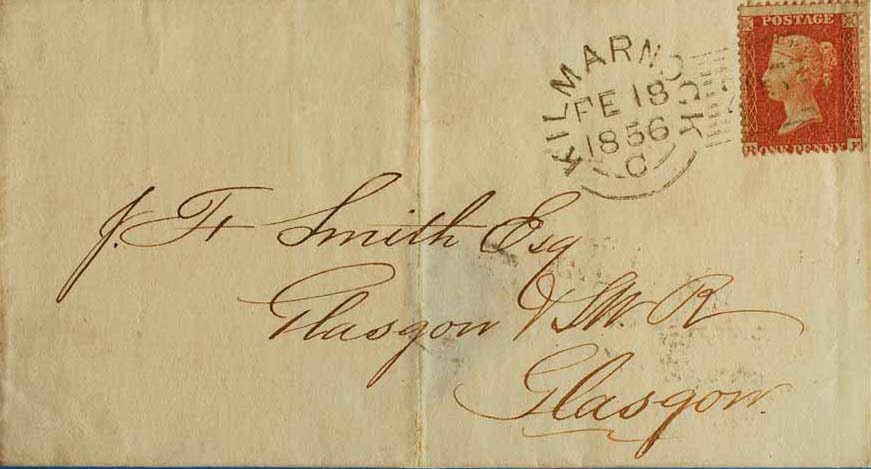
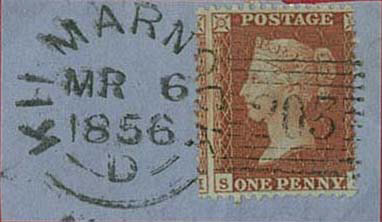
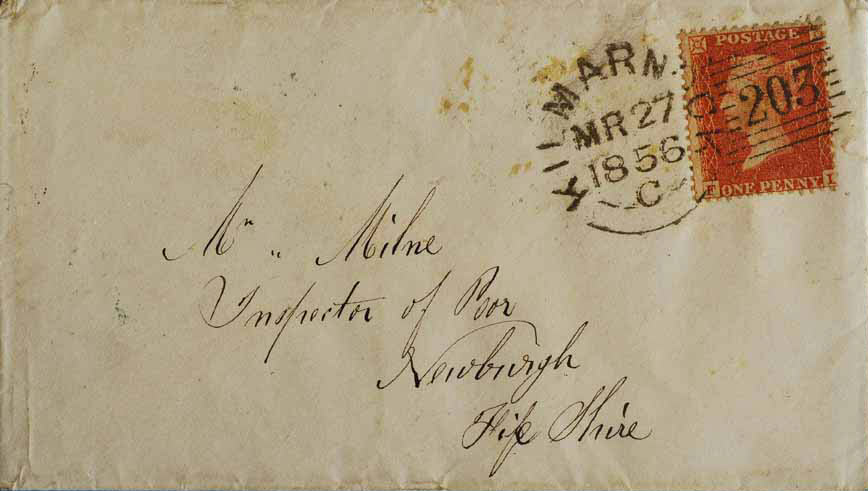
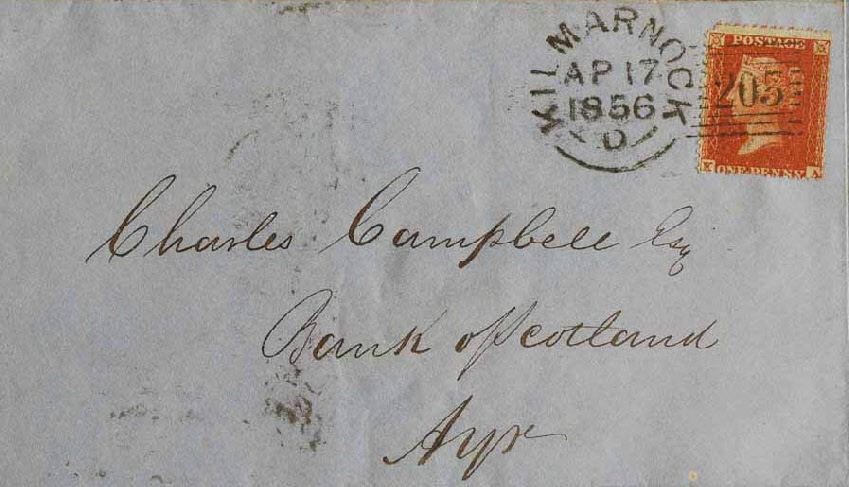
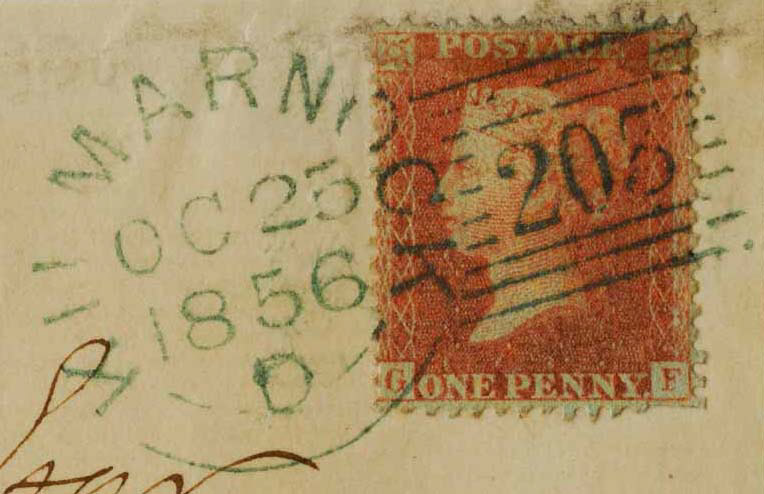
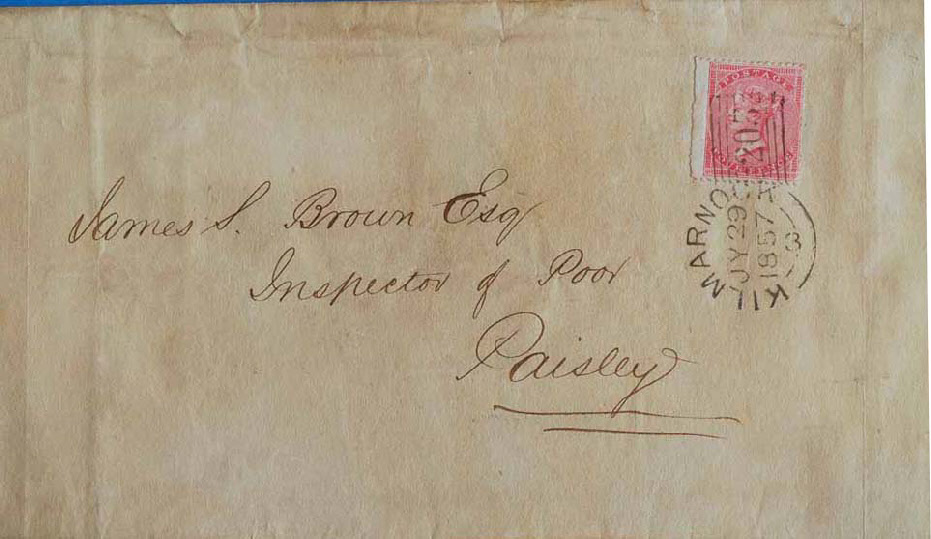
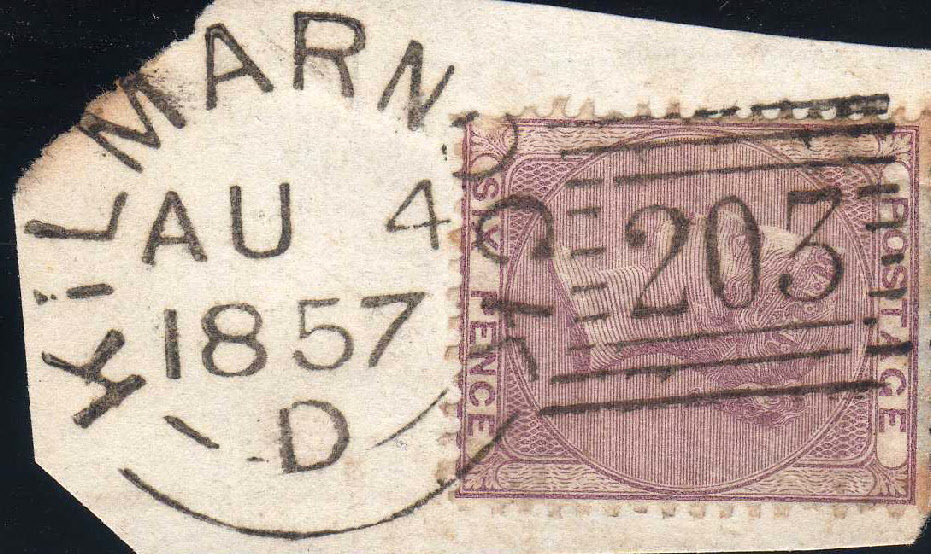
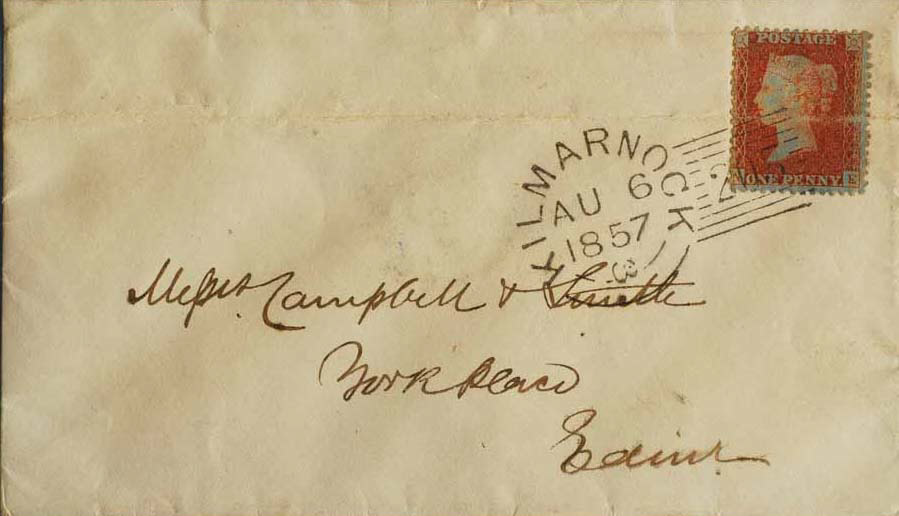
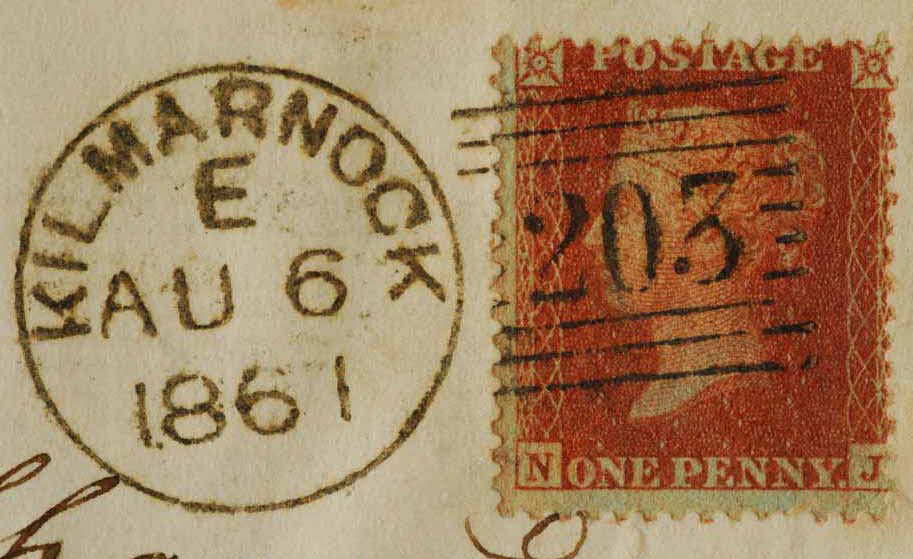
During the 1850’s the Postal Authorities experimented with various duplex handstamps which incorporated both a cancelling element (a number representing the issuing town) and a date stamp which included the name of the issuing town, the date and the duty code. (Three of the larger offices also included the number of the handstamp).  The objective was to speed up the processing of mail but it seemed to take considerable time for the Authorities to come to a decision as to the most advantageous design.

The Sideways Duplex experiment commenced in May 1854 and continued sporadically for over a decade (165 different offices plus 5 for London) and, somewhat surprisingly, co-existed with the Spoon experimental marks (albeit many of these were effectively sideways). Twenty two offices received both the Sideways Duplex and the Spoon and it would be interesting to see whether, in those offices, they were used on different days for comparison purposes or whether they were used indiscriminately.

Why the elements of the marks were manufactured so that they had to be read sideways is not known and indeed appear to have a distinct disadvantage over the Spoons and the later adopted duplex marks.

Traill and Holland (1975) produced a fine definite study of the Sideways Duplex marks and I make no apology for replicating their format albeit I have updated many Earliest/Latest Known Dates together with new Codes.

I owe much of this additional information to Ray Barton whom I would suggest is the doyen of these marks. Also thanks to John Read for providing additional updates.

During the life of this experiment there were many new handstamps issued and recuts made. These varied between 1 (e.g. Aldershot Camp) and 89 (Manchester). I have not tried to differentiate between the new handstamps/recuts and the original proofed copy as in many cases the difference is slight and the purpose of this ‘study’ is to give more of an overview of the marks as well as to provide a forum for new data.

A serious study of all different types is being carried out by Ray Barton which hopefully should be published within the next 12 months but in the meantime should readers have new information for me then please forward to me, Russell Taylor, at silverstamps@btinternet.com.

Copies of the ‘F - H’ scarce items (see below) would also be very much appreciated.


The following is worthy of mention:


Evidence

Where a * is shown against the dates or codes then this information is obtained from the Traill and Holland 1975 publication which I would recommend readers to obtain a copy. Where a * is not shown then it means that either I or a ‘trusted source’ has seen an example.


Scarcity

Instead of Traill & Holland’s Scarcity Rating I have used the expanded Rating used by John Parmenter which can be summarised as follows:


A: Abundant

B: Common

C: Average

D: Not Common

E: Scarce

F: Rare

G: Very Rare

H: Very Few Exist (or recorded on stamp only)


It should be borne in mind that in any event ALL Sideways Duplex marks are relatively uncommon.


I do not intend to convert this Rating into a pricing guide but suffice it to say that fine examples of certain of the G/H rated marks on cover (e.g. Battle, Dartford, Farnborough Station, Harleston, Launceston, Sheerness) should each fetch quite a few hundred pounds.


Colour

For the the majority of marks the designated ink colour was black.

However, certain offices occasionally used other colours; in some cases definitely by design (e.g. Nottingham) but perhaps others by accident. Colours seen are green and blue (often with a variable black element) and very rarely red.

Where known this will be noted against each mark.


Click HERE to see a description of the different Types and the participating offices.